Fresh Plan to Tackle Delhi NCR Pollution
By Jony Shekhawat | Published Date : September 03, 2025
The Centre plans to scrap 2 lakh old trucks and convert 20,000 diesel buses to CNG in Delhi-NCR to fight air pollution.
Imagine waking up every morning to a sky that’s still pale grey instead of the usual thick smog could soon be reality for Delhi-NCR. India’s Central Government has introduced a bold plan to clear the air and give us all a breather.
Over the next five years, the government aims to scrap around 2 lakh (200,000) trucks that fail to meet BS-VI emission norms. At the same time, it will convert approximately 20,000 diesel buses, government and private, into CNG-powered vehicles.
Requirement Of CNG Vehicles
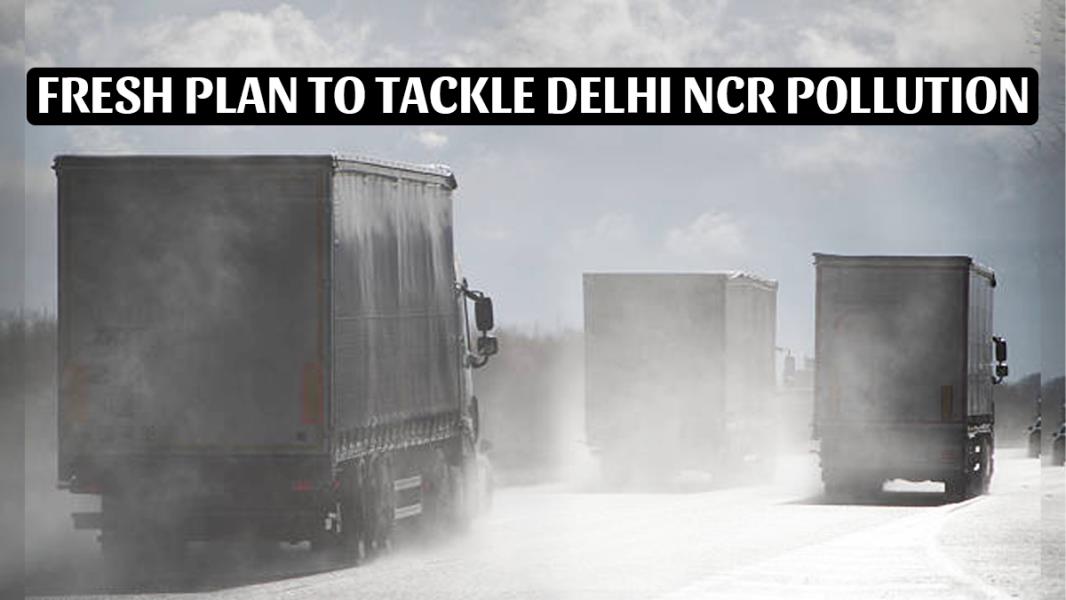
Table of Contents
| 1. Requirement Of CNG Vehicles |
| 2. Strategy To Start This Work |
| 3. 5 Years To Execute The Plan |
| 4. Why do We Have To Do This? |
Also Read: AC Truck Cabins: A Smart Investment or Just a Luxury?
These old, polluting pickups and mini trucks have been a heavy burden on our lungs and our city’s air quality. Though trucks and buses may just be a fraction of all vehicles, they contribute a disproportionately large share of pollution. Now it becomes more mandatory to replace diesel trucks with CNG trucks. This move is not just about rules about care: caring for the air our children breathe and the health of our families.
Strategy To Start This Work
The government is exploring ways to support CNG truck owners financially, whether through subsidies, interest relief, or incentives help them replace old trucks with cleaner BS-VI compliant ones. On the bus front, retrofitting or replacing them to run on CNG is expected to cost around Rs 2,500 crore, and the plan is already taking shape.
5 Years To Execute The Plan
Changing an entire region’s fleet is a big task. After all, real change takes time. What makes this plan stronger is its third pillar, discouraging outdated, polluting trucks and diesel buses from entering Delhi-NCR by applying extra charges. This isn’t just about enforcing rules; it’s about protecting our shared air and the health of millions. With these three steps, removing the oldest vehicles, converting buses to CNG buses, and setting firmer boundaries, the government hopes to turn a corner. Where even CNG trucks and buses could become the new normal.
Why do We Have To Do This?
Hope for clearer skies during morning walks, for less cough medicine in winter, and for children playing freely in cleaner air. It’s not just about scrapping trucks or switching buses to CNG buses and trucks; it’s about giving Delhi-NCR a chance to breathe again. One truck, one bus at a time, it's a step towards a healthier tomorrow.
You Might Like: Ganesh Mani Named CEO of Switch India, Former Ashok Leyland COO Leads EV Push
Frequently Asked Questions on Commercial Vehicles
1. Why is the government scrapping old trucks in Delhi-NCR?
Ans. Old diesel trucks release harmful smoke and pollutants. The government plans to scrap them to reduce air pollution and improve public health.
2. How many trucks will be scrapped?
Ans. Around 2 lakh (200,000) trucks that don’t meet BS-VI emission norms will be scrapped over the next five years.
3. Will truck owners get any help?
Ans. Yes, the government is exploring support like financial aid, interest relief, or incentives to help owners switch to cleaner vehicles.
4. What kind of trucks are targeted in this crackdown?
Ans. Mainly old diesel trucks that are not BS-IV or BS-VI compliant and cause major pollution in and around Delhi-NCR.
5. Is this linked to CNG trucks, too?
Ans. While this plan focuses on scrapping and converting, it also paves the way for greener alternatives in the future, like CNG trucks.
Join us for the latest updates on the Truck Industry -
☞  Facebook
☞  Instagram
☞  YouTube
☞  Twitter
☞  LinkedIn
☞  Threads

About the Author

Jony Shekhawat
Jony Shekhawat is a skilled content writer at TrucksBuses.com, one of India’s top platforms for commercial vehicle news and reviews. With roots in social work and a keen interest in the logistics and mobility space, Jony crafts content that is both insightful and easy to understand. He specializes in breaking down complex commercial vehicle trends, helping readers make informed decisions. His writing not only informs but also aims to support the growth of India's transport community through knowledge and awareness.