Essential Role of Trucks in the Indian Armed Forces
By | Published Date : October 09, 2024
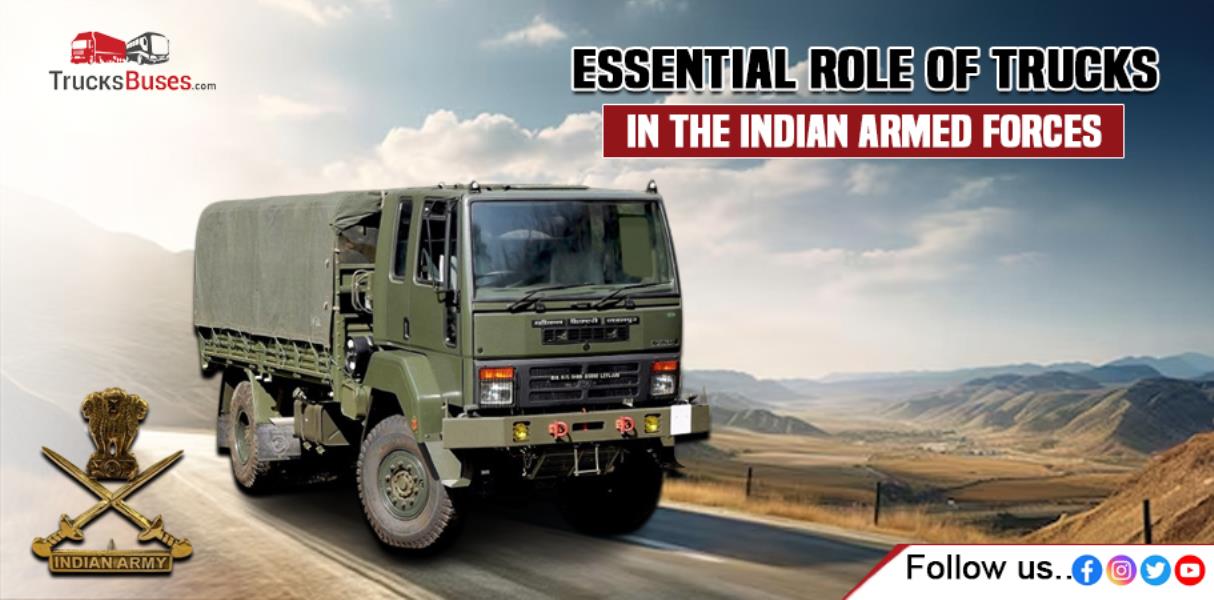
Trucks form the lifeblood of any military operation. They are the workhorses transporting troops, equipment, ammunition, and supplies across vast distances and under challenging conditions. The Indian Armed Forces rely heavily on a diverse fleet of trucks to support their operations effectively. This blog will explore trucks' essential roles in the Indian military and their impact on overall operational efficiency.
Is the Indian Armed Forces’ Truck Fleet Adequate for Modern Warfare?
The Indian Armed Forces rely on a diverse fleet of trucks for logistics and support. However, questions arise about whether this fleet is adequate for modern warfare. Today’s battles demand speed, flexibility, and advanced technology. Many military trucks are older models that may not perform well in challenging conditions. New threats like drones and cyberattacks require trucks that can adapt quickly. Upgrading the fleet with modern, versatile vehicles is essential to ensure the armed forces can respond effectively to evolving challenges on the battlefield.
Transportation of Personnel
One of the primary functions of trucks in the Indian Armed Forces is the transportation of personnel. Trucks serve as the main mode of transport for moving troops to and from deployment areas, training grounds, and bases. This capability is crucial for maintaining troop readiness. When soldiers need to be quickly deployed or moved for training exercises, trucks ensure they can be transported efficiently and safely. The comfort and safety of the soldiers during transit are paramount, and military trucks are designed to accommodate these needs.
Equipment and Supply Logistics
Trucks are vital for the logistics of equipment and supplies. From heavy artillery to daily rations, they ensure the timely delivery of essential supplies to frontline units. The ability to transport equipment, ammunition, and medical supplies quickly can significantly affect military operations. Trucks are responsible for moving these supplies from supply depots to the frontline, making them indispensable during both peace and wartime scenarios. Their reliability in delivering crucial items can often determine the success of a mission.
Tactical Mobility
In combat situations, trucks provide the necessary tactical mobility for troops and equipment to rapidly deploy and redeploy. Quick movement can be the difference between victory and defeat on the battlefield. Military operations often require swift responses to changing conditions, and trucks are built to meet these demands. They can transport troops and equipment to various locations, ensuring that military units remain flexible and adaptable during operations.
Infrastructure Support
During peacetime, trucks also play a crucial role in constructing and maintaining infrastructure. They are used to transport materials for building roads, bridges, and communication networks. A robust infrastructure is essential for effective military operations, as it supports logistics and enhances operational capabilities. By helping to build and maintain this infrastructure, trucks ensure that the armed forces can operate efficiently in any environment.
Key Characteristics of Military Trucks
Military trucks are built to withstand harsh conditions and perform under extreme pressure. They possess several key characteristics that make them suitable for military operations:
- High Ground Clearance: This feature allows trucks to navigate rough terrains and obstacles without getting stuck.
- Robust Construction: Military trucks are designed to carry heavy loads and endure demanding conditions, making them reliable during operations.
- Off-Road Capability: Many military trucks can operate in challenging environments such as jungles, deserts, and mountains, ensuring versatility in different terrains.
- Reliability: Consistent performance in diverse climates and terrains is essential for military operations, and trucks are designed to meet these challenges.
- Adaptability: Military trucks can be modified to carry various types of equipment and weapons, ensuring they meet specific operational requirements.
Historical Context: Shaktiman and Ashok Leyland Stallion
In 1958, the Indian Army introduced a new logistic truck called Shaktiman. This truck was a licensed version of the German MAN 415 truck. Shaktiman trucks were imported from Germany and assembled in Jabalpur. From 1958 to 1996, more than 75,000 Shaktiman trucks served in the Indian Army, becoming a reliable workhorse for various logistical operations.
The legendary Ashok Leyland Stallion later replaced Shaktiman. This multi-terrain logistic truck could operate in extreme temperature ranges, from -40 degrees Celsius to 50 degrees Celsius. The Stallion further enhanced the operational capabilities of the Indian Armed Forces, ensuring that they could adapt to the diverse conditions encountered across the country.
Challenges Faced by the Indian Armed Forces
The Indian Armed Forces face unique challenges in the procurement and maintenance of military trucks. These challenges include:
- Terrain Diversity: India’s varied topography demands trucks with different capabilities tailored for specific regions. This requires a diverse fleet to meet the operational needs of the military.
- Infrastructure Limitations: Poor road conditions in certain areas pose significant challenges for truck operations. Trucks must be able to navigate these difficulties to deliver supplies and troops effectively.
- Technological Upgrades: Keeping the fleet updated with the latest technology is essential for operational efficiency. This includes incorporating advanced systems that enhance performance and safety.
- Indigenous Development: Promoting self-reliance in the defence sector requires an increased focus on Indigenous truck development. This can reduce dependency on foreign suppliers and boost the local economy.
The Road Ahead
The Indian Army is continuously evaluating and upgrading its truck fleet to meet evolving operational requirements. The focus is on enhancing capabilities through several key initiatives:
- Indigenous Development: There is a strong emphasis on promoting self-reliance in truck manufacturing. Developing trucks locally can enhance operational readiness and reduce costs.
- Technology Integration: Incorporating advanced features such as GPS, night vision, and armour protection is essential for modern military operations. These enhancements improve the effectiveness and safety of military logistics.
- Hybrid and Electric Trucks: The exploration of alternative fuel options, including hybrid and electric trucks, aims to reduce the carbon footprint and improve fuel efficiency. This aligns with global trends toward sustainability.
By investing in modern and capable trucks, the Indian Armed Forces can ensure the seamless movement of troops and equipment. This, in turn, strengthens their operational readiness and enhances the overall effectiveness of the military.
Conclusion
Trucks play an essential role in the Indian Armed Forces, supporting a wide range of military operations. Their importance in transporting personnel, delivering supplies, and maintaining infrastructure is crucial for operational success. As the Indian military continues to evolve, the focus on improving and modernizing its truck fleet will be vital in meeting future challenges. By investing in advanced technology and promoting indigenous development, the Indian Armed Forces can ensure that they remain prepared to protect the nation in any situation.
Also Read -
A Comprehensive Truck Maintenance Guide
Top 10 Truck Companies In The World