Ultra Gas & Energy Eyes Expansion of LNG Refuelling Network
By Amit Jangra | Published Date : June 03, 2026
Ultra Gas & Energy is expanding its LNG station network to improve fuel availability and encourage more transporters to consider LNG-powered trucks.
Many transporters are still not fully sure about LNG vehicles. A truck owner from Haryana said that the biggest concern is not the vehicle itself, but whether fuel will be available throughout the journey. Diesel pumps are easy to find almost everywhere. LNG stations are not. Because of this, many transport companies continue using traditional fuel even when they are curious about alternatives.
The Problem Is Bigger Than Vehicles
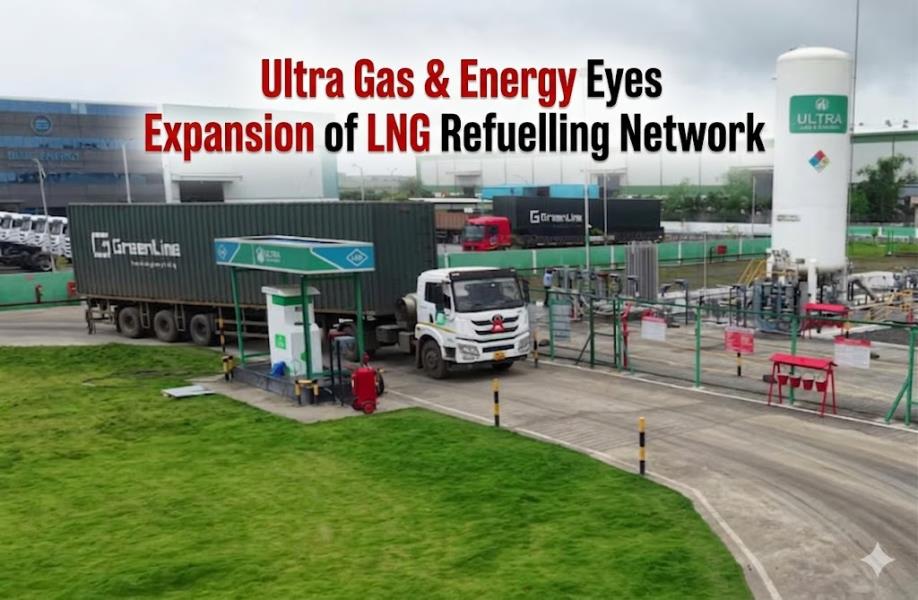
Table of Contents
| 1. The Problem Is Bigger Than Vehicles |
| 2. Starting With Busy Transport Routes |
| 3. Why Some Operators Are Looking at LNG |
| 4. Expansion Plans Continue |
| 5. Small Operators Still Watching Carefully |
| 6. What Happens Next? |
► Read More: JK Tyre Reports Strong Q4 Profit Growth, Announces Major ₹4,980 Crore Expansion Investment
People often think the biggest challenge is selling more trucks. But some transporters say the real issue is fuel availability. A vehicle can be good, but operators want peace of mind before spending money.
Ultra Gas & Energy is trying to work on that side of the business. Instead of talking only about vehicle numbers, the company is putting attention on building LNG access across important freight routes.
A fleet manager from western India said that transport companies usually plan routes first and vehicles later. If fuel is available, confidence automatically improves.
Starting With Busy Transport Routes
The company is currently focusing on freight corridors that see regular cargo movement every day. Routes connecting cities such as Delhi, Mumbai and Chennai remain important because thousands of commercial vehicles travel there regularly.
People involved in logistics say drivers prefer routes where support facilities already exist. That is one reason why fuel infrastructure becomes such an important part of expansion plans. Rather than rushing to open stations everywhere, the company appears to be concentrating on areas where demand already exists.
Why Some Operators Are Looking at LNG
A transporter carrying industrial material said fuel expenses have become one of the biggest topics in the business. Every small saving matters when vehicles travel hundreds of kilometres every week.
For this reason, some fleet owners are studying LNG-powered trucks more seriously than before. Industries linked with mining, cement and steel transportation are among those showing interest.
One operator explained that long-distance work requires vehicles that can carry heavy loads without affecting productivity. That is where LNG is getting attention from some transport businesses.
Expansion Plans Continue
The company wants to increase the number of LNG stations over the next few years. It is also working with different fuel and energy companies instead of depending only on new construction projects.
People familiar with the sector say partnerships often help speed up network growth. Existing infrastructure can sometimes be used more efficiently instead of building everything from zero. This approach may help reach more freight corridors in a shorter time.
Small Operators Still Watching Carefully
Not everyone is ready to switch immediately. Many small transport businesses are still calculating costs before making any decision. Some owners say diesel vehicles are familiar, mechanics are available everywhere and fuel supply is already established. Because of this, changing to a different fuel feels like a big step. Even today, many trucks and pickups continue operating on traditional fuels because the support system around them is already well developed.
What Happens Next?
Nobody in the industry expects a sudden overnight change. Most people believe the transition, if it happens, will be gradual. A transport consultant recently said that confidence grows slowly in this business. First comes infrastructure, then vehicles, and finally larger adoption.
For now, LNG remains a small part of the market. But if more stations appear along major freight routes, transport operators may become more comfortable exploring alternatives to diesel. The next few years will show how quickly that confidence builds.
► You Might Like: Bajaj Auto Leads 3-Wheeler Auto-Rickshaw Sales in Q4 FY26, Mahindra Follows
Frequently Asked Questions on Commercial Vehicle
1. What is Ultra Gas & Energy trying to achieve?
Ans: Ultra Gas & Energy is expanding its LNG refuelling network to improve fuel availability for LNG-powered trucks across major freight routes.
2. Why are many transporters still hesitant about LNG trucks?
Ans: Many fleet owners are concerned about limited LNG stations and want better fuel access before investing in LNG vehicles.
3. Which freight corridors are important for the company's plans?
Ans: The company is focusing on key transport routes such as Delhi-Mumbai and Mumbai-Chennai while gradually expanding to other regions.
4. How can a larger LNG network benefit the transport sector?
Ans: A wider LNG network can improve transporter confidence, support cleaner fuel adoption and make long-distance freight operations more practical.
Join us for the latest updates on the Truck Industry -
☞ 
 Facebook
☞  Instagram
☞  YouTube
☞  Twitter
☞  LinkedIn
☞  Threads

About the Author

Amit Jangra
Amit Jangra is a dedicated content writer at TrucksBuses.com, a leading Indian portal for commercial vehicle insights. With a strong background in social work and a passion for the transportation sector, Amit brings a unique perspective to his writing. His articles are known for their clarity and depth, making complex topics accessible to a broad audience. Amit's commitment to empowering readers through informative content reflects his broader mission of societal upliftment.