How to Charge Your Electric Vehicle Step by Step Guide
By | Published Date : August 28, 2024
Electric vehicles (EVs) are becoming more popular as people look for cleaner and more efficient ways to travel. If you are new to owning an EV such as E Rickshaw, Electric Auto Rickshaw and others you might wonder how to charge it. Charging your EV might seem tricky at first, but it’s a straightforward process once you understand the basics. This guide will help you through each step to make charging your electric vehicle easy.
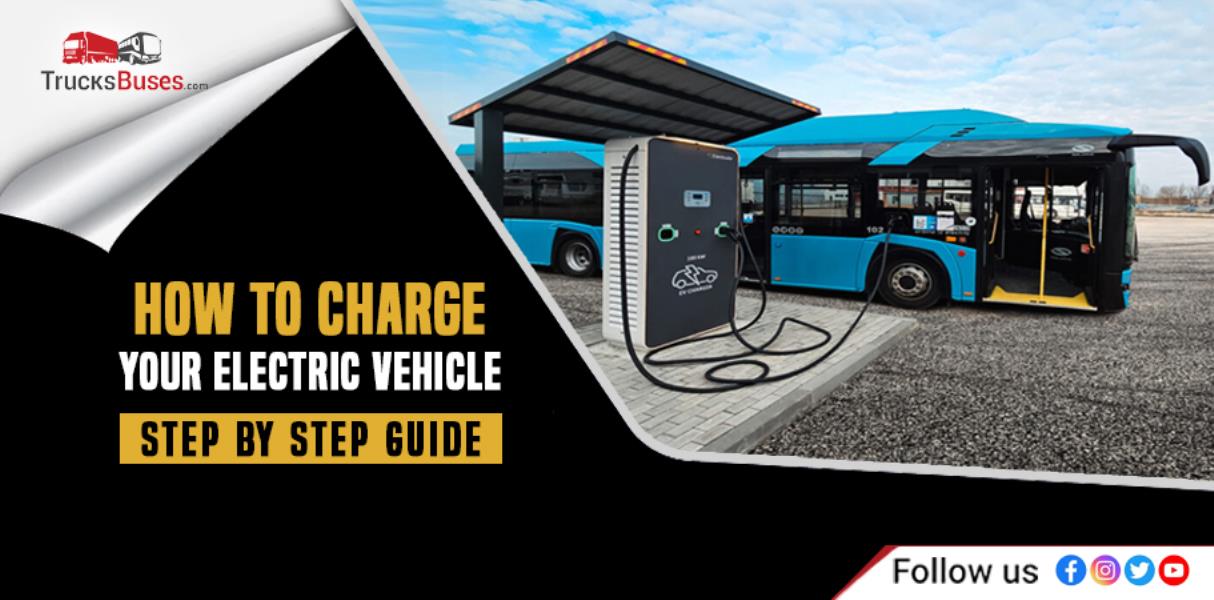
Step By Step Guide to Charge the Electric Vehicle
This guide will help you through each step to make charging your electric vehicle easy.
1. Understand Your EV’s Battery
Before you start charging, it's helpful to understand a bit more about your EV’s battery. EV batteries are measured in kilowatt-hours (kWh), and this determines how far you can drive on a single charge. For example, a 60 kWh battery might let you drive about 200 miles before needing a recharge. Check your electric vehicle truck, bus, mini truck manual or manufacturer’s website to know your battery's capacity.
2. Choose the Right Charging Equipment
There are different types of EV chargers. Knowing which one you need is important for efficient charging.
a. Level 1 Chargers: These use a standard 120-volt household outlet. They are the slowest option and are suitable for overnight charging at home. Most EVs come with a Level 1 charger.
b. Level 2 Chargers: These use a 240-volt outlet, similar to what’s used for large appliances like dryers. They charge your EV faster than Level 1 chargers and are often installed at home or found at public charging stations.
c. DC Fast Chargers: These provide rapid charging and are typically found at public charging stations. They can charge your EV to 80% in about 30 minutes but are not commonly used for home charging.
3. Set Up Home Charging
If you plan to charge your EV at home, you might need to install a Level 2 charger. Here’s how you can do it:
a. Find a Location: Choose a spot in your garage or driveway near where you park your EV. The location should be close to an electrical panel to simplify installation.
b. Hire a Professional: Installing a Level 2 charger usually requires professional help. An electrician will need to install a dedicated circuit and outlet for the charger.
c. Install the Charger: Follow the manufacturer's instructions to install the charger. Your electrician will handle this part, ensuring everything is safe and up to code.
4. Charging Your EV at Home
Once your home charging setup is ready, here’s how to use it:
a. Plug In Your EV: Connect the charger plug to your vehicle’s charging port. The charging port is usually located at the front or rear of your EV, depending on the model.
b. Check the Connection: Make sure the connection is secure. You should see a light on the charger or your vehicle indicating that charging has started.
c. Monitor Charging: Most EVs have a display or an app that shows the charging status. You can check this to see how much charge is remaining and how long it will take to reach a full charge.
5. Charging at Public Stations
Public charging stations are a great option when you’re on the go. Here’s how to use them:
a. Locate a Charging Station: Use an app or website to find nearby charging stations. Some popular apps include PlugShare, ChargePoint, and EVgo.
b. Check the Charger Type: Ensure the charging station has the right type of charger for your EV. Most stations offer Level 2 or DC Fast Charging options.
c. Follow the Instructions: Each charging station may have slightly different procedures. Generally, you’ll need to swipe a card or use an app to start the charging session.
d. Plug In Your EV: Just like at home, connect the charger to your vehicle’s port. Follow any additional steps provided by the station’s instructions.
e. Payment: Many public charging stations require payment. This can be done via a card, app, or sometimes a subscription service.
6. Charging Tips for Efficiency
To make the most of your EV’s battery and charging, consider these tips:
a. Charge Regularly: Instead of waiting until your battery is very low, try to charge your EV regularly. This helps maintain battery health.
b. Avoid Overcharging: While modern EVs are designed to handle overcharging, it’s best to unplug once your battery reaches 100% to preserve battery life.
c. Use Charging Apps: Many apps can help you find charging stations and monitor your charging progress. They can also provide information on charger availability and pricing.
7. Understanding Charging Times
Charging times vary depending on the type of charger and your EV’s battery size:
a. Level 1 Charging: Adds about 4-5 miles of range per hour. Ideal for overnight charging.
b. Level 2 Charging: Adds about 25-30 miles of range per hour. Useful for daily home charging or long stops.
c. DC Fast Charging: Can add up to 100 miles of range in 30 minutes. Best for quick top-ups on long trips.
8. Troubleshooting Common Issues
Sometimes things don’t go as planned. Here are a few common issues and how to handle them:
a. Charger Not Working: Check if the plug is securely connected. If the problem persists, try a different charger or contact support.
b. Charging Slow: Ensure you’re using the right charger type for your needs. Level 1 chargers are slower than Level 2 chargers.
c. Battery Not Charging: If your battery isn’t charging, it might be a sign of a problem with the vehicle or the charger. Consult your vehicle’s manual or contact customer support.
How to Optimize Charging for Longer Battery Life
To keep your EV battery healthy, avoid charging it to 100% all the time. Instead, aim for around 80% to extend battery life. Also, try not to let your battery drop too low; charging when it hits about 20% is a good practice. If possible, use a Level 2 charger for regular use, as it’s gentler on the battery compared to slower Level 1 charging. Lastly, avoid exposing your EV to extreme temperatures, as both very hot and very cold conditions can affect battery performance. Following these tips helps maintain your battery’s health over time.
The Future of EV Charging Technology
The future of EV charging is bright and full of exciting advancements. One major development is ultra-fast charging, which can quickly add significant range to your vehicle, potentially in just minutes. Another innovation is wireless charging, allowing you to charge your EV without plugging it in just to park over a charging pad. There's also progress in smart charging systems, which optimize when and how your vehicle charges based on factors like electricity rates and grid demand. Additionally, more widespread and accessible charging infrastructure is expected, making long trips easier and reducing charging time. These advancements will make owning and operating an EV even more convenient and efficient.
What to Do If Your EV Was Not Charging
If your electric vehicle is not charging, follow these steps to troubleshoot:
- Check the Connection: Ensure the charger is securely plugged into both the vehicle and the outlet. Sometimes, a loose connection can prevent charging.
- Inspect the Charger: Look for any visible damage on the charger or cable. If you see issues, try using a different charger if possible.
- Verify the Outlet: Make sure the outlet or charging station is working by testing it with another device or using a different outlet.
- Check the Vehicle’s Display: Look for error messages or alerts on your EV’s display. These can provide clues about what might be wrong.
- Reset the Charger: Sometimes, unplugging and plugging the charger back in can reset it and solve the issue.
- Consult the Manual: Refer to your vehicle’s manual for specific troubleshooting steps related to charging issues.
- Contact Support: If none of these steps work, contact your vehicle’s customer support or a professional technician for assistance. They can help diagnose and resolve the problem.
Conclusion
Charging your electric vehicle is a simple process once you get the hang of it. By understanding the types of chargers, setting up home charging, and knowing how to use public charging stations, you can keep your EV ready for any journey. With a little practice, you will find that charging your EV becomes a routine part of your daily life.
Read Also:
Ashok Leyland Aims to Sell 500 Electric and LNG Trucks
Tata Motors New Launching in Sub-600 kg SCV Segment - Last Mile Delivery